

Introduction
Every year on April 25, the world comes together to raise awareness of a disease that still claims hundreds of thousands of lives annually—malaria. Though preventable and curable, malaria continues to affect vulnerable populations, particularly in sub-Saharan Africa and parts of Asia.
World Malaria Day 2025 focuses on equity, access, and innovation, echoing the global commitment to "Accelerate the fight against malaria for a more equitable world." With sustained effort, we are edging closer to a malaria-free future—but the journey isn't over.
What is Malaria?
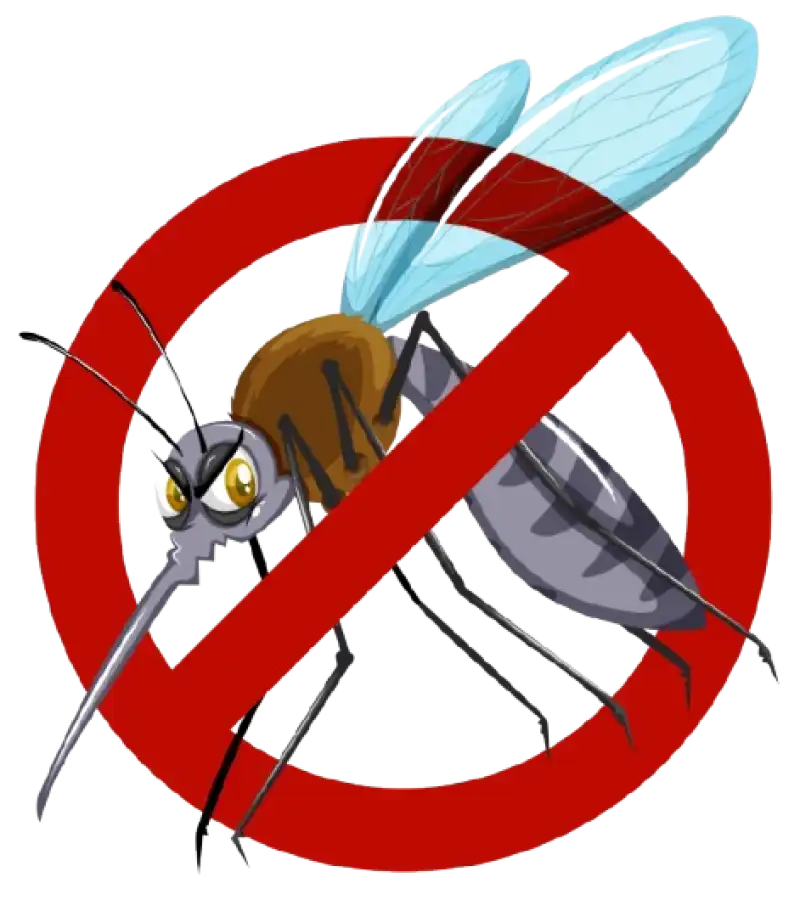
Malaria is a life-threatening disease caused by parasites (mainly Plasmodium falciparum and Plasmodium vivax) transmitted to humans through the bites of infected female Anopheles mosquitoes.
Key Symptoms:
- High fever and chills
- Headaches and vomiting
- Fatigue and body aches
- In severe cases: seizures, coma, or death
Why World Malaria Day Matters
World Malaria Day is not just about awareness—it's about action. This day reminds governments, health agencies, and communities that continued investment and innovation are essential to eliminate malaria.
Why It’s Still a Threat:
- Climate change is expanding mosquito habitats
- Drug-resistant strains of malaria are emerging
- Millions still lack access to proper prevention and treatment
Theme for 2025: “Health Equity & Innovation”
This year’s theme underlines two major ideas:
- Health Equity – Ensuring every community, regardless of geography or income, can access malaria prevention, diagnosis, and treatment.
- Innovation – Promoting new vaccines, insecticide-treated nets, rapid diagnostic kits, and digital surveillance tools.
India’s Progress in the Fight Against Malaria
India has made significant strides in reducing malaria cases over the past decade. The country aims to eliminate malaria by 2030, and several states are already malaria-free.
Initiatives Making an Impact:
- National Framework for Malaria Elimination (NFME)
- Distribution of Long-Lasting Insecticidal Nets (LLINs)
- Digitization of case surveillance
- Community-based health worker programs
🌐 Explore India’s progress in malaria elimination at the National Vector Borne Disease Control Programme
Simple Ways to Prevent Malaria at Home
- 🛏 Use mosquito nets at night
- 🌿 Keep surroundings clean and water-free (no stagnant water)
- 💡 Install mesh screens on windows and doors
- 🧴 Apply mosquito repellents on skin and clothes
- 🧪 Seek early diagnosis if symptoms appear
Breakthroughs in Malaria Treatment & Research (2025 Update)
- ✅ R21/Matrix-M vaccine rollout expanding in Africa & Asia
- 💉 mRNA vaccine research (like COVID vaccines) shows promising results
- 🦟 Gene-drive mosquitoes being tested to reduce transmission
- 📲 AI-powered tracking for outbreak prediction in rural zones
FAQs: World Malaria Day 2025
Q1: Why is malaria still a global health issue?
Because it disproportionately affects low-income areas with limited access to healthcare, prevention tools, and education.
Q2: Can malaria be completely eliminated?
Yes, with sustained efforts in vaccination, mosquito control, and early treatment, elimination is possible.
Q3: What role do individuals play in malaria prevention?
Everyone can help by preventing mosquito breeding, using nets, supporting awareness campaigns, and donating to malaria-fighting organizations.
Q4: Is there a malaria vaccine available for public use?
Yes, WHO-approved vaccines like RTS,S (Mosquirix) and R21 are being rolled out in high-burden countries.
Q5: How does climate change affect malaria?
Rising temperatures and erratic rainfall expand mosquito breeding zones, potentially increasing malaria transmission in new regions.
Conclusion
World Malaria Day 2025 is a powerful reminder that while much progress has been made, the fight isn't over. Through global partnerships, community-driven action, and innovative tools, we can break the cycle of this age-old disease.
As individuals, we must stay informed and proactive. Whether it's sharing knowledge, using prevention tools, or supporting public health initiatives, your contribution matters.
Together, we can dream of a world where malaria is no longer a threat, but a disease of the past.