


Introduction
Healthcare access is a fundamental right, yet legal battles over Medicaid in the U.S. highlight challenges in ensuring affordable medical services for all. The recent Kerr v. Planned Parenthood South Atlantic case has sparked global discussions on patient rights, healthcare accessibility, and the role of government-backed medical aid. But what does this mean for India? While Medicaid does not exist in India, similar government healthcare programs like Aarogyaa Bharat are crucial in providing care to low-income populations. This blog explores the impact of such policies, what India can learn, and how Aarogyaa Bharat is bridging gaps in medical accessibility.
Understanding Medicaid and the U.S. Supreme Court’s Role
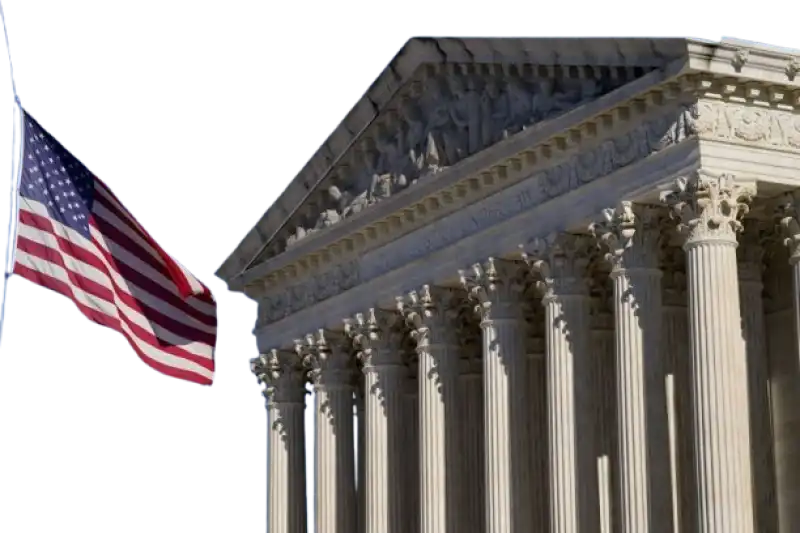
Medicaid, a government-funded healthcare program in the U.S., supports millions of low-income individuals. However, legal challenges, such as Kerr v. Planned Parenthood South Atlantic, question whether states can block certain healthcare providers from participating in Medicaid, affecting patient rights and access to essential services.
- Healthcare Provider Exclusion – States may restrict providers based on policies, impacting patient choice.
- Legal Disputes on Healthcare Rights – Legal battles influence government healthcare accessibility.
- Broader Global Implications – These rulings shape policies on universal healthcare and public health funding.
Recent U.S. Supreme Court Decisions on Healthcare
The Supreme Court has played a significant role in shaping Medicaid policies through key rulings. Some recent decisions that impact healthcare include:
- Kerr v. Planned Parenthood South Atlantic (2024) - This case revolved around whether states have the right to exclude certain healthcare providers from Medicaid funding. The ruling allowed states more discretion, raising concerns about restricting patient choices and access to essential reproductive healthcare services.
- Becerra v. Empire Health Foundation (2022) - This ruling impacted hospital reimbursement rates, influencing how much hospitals receive for treating Medicaid and Medicare patients. It highlights the financial challenges faced by hospitals serving low-income communities.
- California v. Texas (2021) - This case questioned the constitutionality of the Affordable Care Act (ACA). The Supreme Court upheld the ACA, ensuring continued Medicaid expansion and protections for people with pre-existing conditions.
These cases demonstrate how judicial decisions shape healthcare funding, provider accessibility, and patient rights, affecting both the U.S. and global healthcare policies.
What India Can Learn from U.S. Healthcare Challenges
- Strengthening Public Healthcare Funding - Unlike Medicaid, India's Ayushman Bharat scheme provides health coverage to economically weaker sections. However, funding shortages often limit accessibility. Lesson: Ensure sustainable healthcare funding to prevent service disruptions.
- Ensuring Patient Choice and Provider Inclusion - In the U.S., Medicaid patients risk losing access to specific providers. Similarly, India has limitations on private hospital participation in public health schemes. Solution: Increase partnerships between private and public healthcare providers to enhance accessibility.
- Expanding Medical Equipment Accessibility - Legal battles in the U.S. highlight gaps in medical service availability. India faces similar issues in medical equipment accessibility for low-income populations. Solution: Affordable medical equipment rental services, like those offered by Aarogyaa Bharat, can bridge this gap.
Aarogyaa Bharat’s Role in Improving Healthcare Access
At Aarogyaa Bharat, we recognize the importance of affordable, high-quality medical equipment for all. Whether it’s a patient needing an oxygen concentrator or a hospital requiring an MRI-compatible monitor, our services ensure accessibility without financial burdens.
- Medical Equipment Rentals – Cost-effective solutions for short-term patient care.
- Affordable Purchase Options – Ensuring every household can access essential medical devices.
- Pan-India Delivery – Eliminating location-based healthcare inequalities.
FAQs – Your Questions Answered
- How does Medicaid compare to India's Ayushman Bharat? - Medicaid is a U.S. government-funded health insurance program for low-income individuals, while Ayushman Bharat provides subsidized healthcare coverage in India. Both aim to make healthcare accessible but face challenges in funding and provider participation.
- How do Supreme Court rulings on Medicaid affect global healthcare? - U.S. Supreme Court decisions influence global healthcare trends by shaping policies on patient rights, government healthcare funding, and provider inclusion.
- What is Aarogyaa Bharat doing to improve healthcare access in India? - Aarogyaa Bharat provides affordable medical equipment rentals and purchase options, ensuring essential healthcare tools are available across India.
- Can medical equipment rentals improve patient care in India? - Yes! Renting medical equipment allows patients to access high-quality devices at lower costs, making healthcare more inclusive.
- How can India prevent healthcare inequalities? - By ensuring adequate healthcare funding, patient choice, and accessible medical technology, India can create a more equitable healthcare system.
Conclusion
The Kerr v. Planned Parenthood case highlights how legal challenges affect healthcare access worldwide. While India faces different hurdles, the lessons from Medicaid policy shifts can guide better public health funding, patient rights protection, and provider inclusivity. At Aarogyaa Bharat, we believe that affordable medical equipment and technology play a critical role in ensuring healthcare accessibility. Explore our range of products and services to make healthcare affordable and accessible for all!